The garden idea for this month is not to over water your garden. It is hot outside! But do not over water the garden. We all see people just turning on the sprinkler and letting the water for hours. One this costs money and two it is not good for the plants. Check the plants in the morning and in the cooler evening hours. never water in the heat of the day!
Hand check
Before whipping out the watering can, check your garden's soil moisture
with that handiest of tools, your finger. Push it into the ground
around your plants. You want the top 2 or 3 inches of the soil to be
dry, and the soil below that to be moist. Oh, and don't forget to check
your local weather forecast to see what Mother Nature has planned before
turning on the hose.
Timing is everything
In warm weather, water in the morning to give plants a chance to drink
up before the hot sun or strong winds evaporate the moisture. This
protects plants from wilting in the afternoon heat, too. In a prolonged
drought, cover more sensitive plants with a shade cloth to limit midday
transpiration, suggests Cado Daily of the University of Arizona
Cooperative Extension. If you can't water in the morning, try for late
afternoon—but not too late; the foliage should have time to dry before
the sun goes down so it doesn't develop fungal diseases.
Deep and infrequent
Seeds and seedlings demand moisture close to the soil's surface, but
more established plants need deep watering to develop roots that will
find water in the subsoil when drought strikes. Just be careful not to
over water! You want soil that's damp but not soggy down to 5 to 6 inches
below the surface. In waterlogged soil, roots are deprived of oxygen
and may lose the ability to take up water. If your plants' foliage
begins to brown at the edges and fall from the plant, you may be
over watering.
One thing that people do it hand water their plants, use a water can, or a hose with a water nozzle. another thing you can do is recycle 2 liter bottles, and fill them up with water and punch in at an angle to the roots of the plants. The water will come down as needed for the plants. Just make sure when you punch them into the ground you make it gurgle to make sure there is no dirt soil cork in the bottle. I personally use old wine bottles. they have a longer neck and blend in to the plants.
Why Food Storage and the like
FOOD STORAGE BASICS AND BEYOND!
Food Storage, Emergency Preparedness, Other tips and Ideas. Let me help you get ready for what ever may come!
I started Food Storage over 15 years ago. I have taught many classes and been a speaker and helped many people over the years. This is a place where I can state things or address issues I want to cover.
Showing posts with label Monthly ideas. Show all posts
Wednesday, July 10, 2013
Wednesday, June 26, 2013
Forgiveness day
Spiritual idea: Now we all can be more Spiritual in our own ways. Everyone has the right to choose how they believe. I do not want to preach to anyone! So my Spiritual Ideas will be ways to be better people that can even fall in to the category of being a good human being and being a productive person in not only your own life, but the lives of other around you.
We all know what values are, we all have grown up learning the difference between right and wrong. We get our values from our parents, school, friends, neighbors, church, media, books, and well in all reality we get our values from all over. What we each individually choose to embrace and add to our personal lives and what means to each of us, is what defines us as individuals, and the people we choose to become.
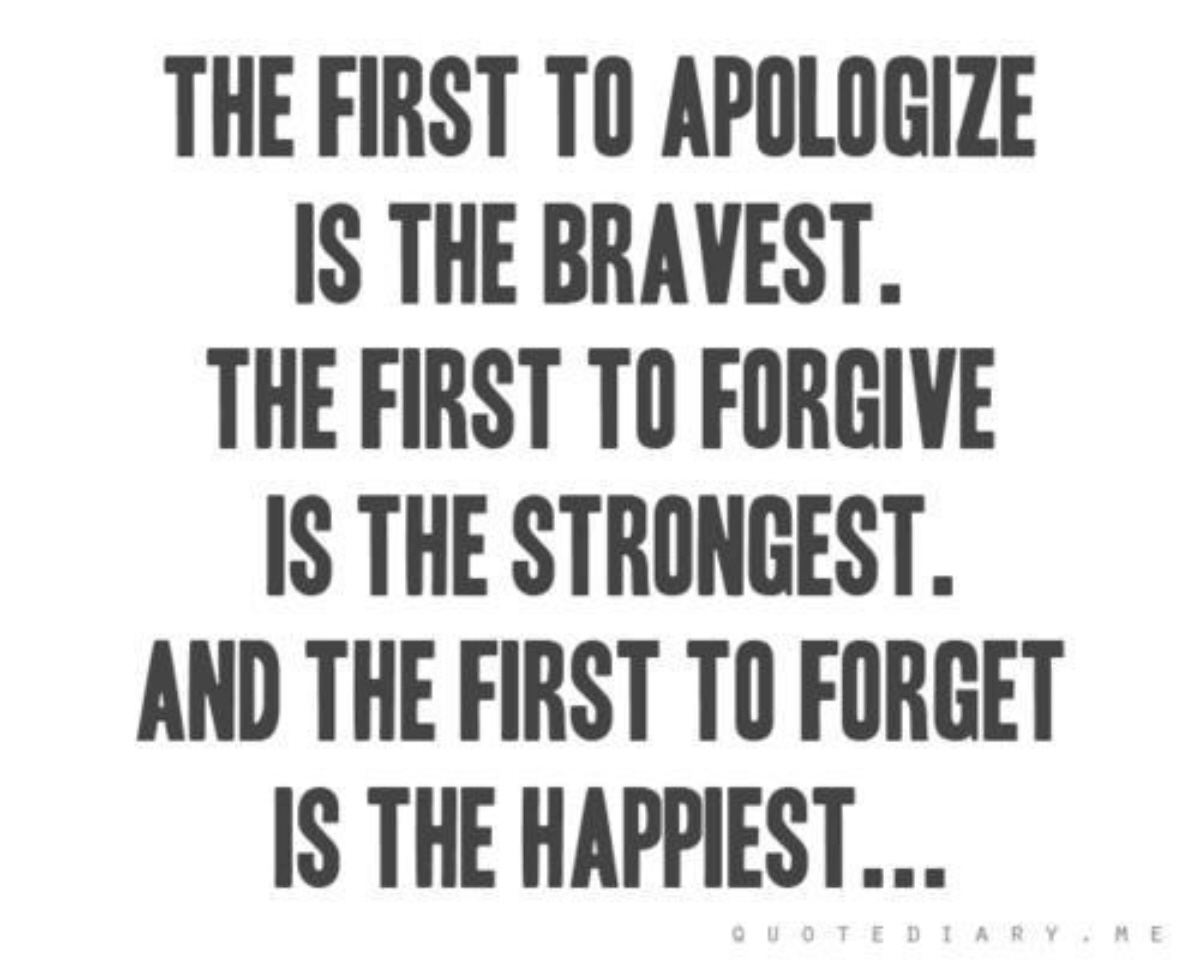
Today is June 26th and It is Forgiveness day. This is a value that many people need to learn to use in their own lives, myself included. Forgiveness Day is a time to forgive and to be forgiven. The world will be a better place for this day. Forgiveness is a willingness to pardon someone.
What is forgiveness?
Forgiveness doesn't mean that you deny the other person's responsibility for hurting you, and it doesn't minimize or justify the wrong. You can forgive the person without excusing the act. Forgiveness brings a kind of peace that helps you go on with life.
What are the benefits of forgiving someone?
Letting go of grudges and bitterness can make way for compassion, kindness and peace. Forgiveness can lead to:
- Healthier relationships
- Greater spiritual and psychological well-being
- Less anxiety, stress and hostility
- Lower blood pressure
- Fewer symptoms of depression
Forgiveness is a commitment to a process of change. To begin, you might:
- Consider the value of forgiveness and its importance in your life at a given time
- Reflect on the facts of the situation, how you've reacted, and how this combination has affected your life, health and well-being
- When you're ready, actively choose to forgive the person who's offended you
- Move away from your role as victim and release the control and power the offending person and situation have had in your life
http://www.mayoclinic.com/health/forgiveness/MH00131
Tuesday, June 18, 2013
Preparedness Question for June
So this months preparedness question is: How many people do you plan for in the event of an emergency? Do you plan for just your family in your home? How about extended family in the area? Do you have close friends that will show up at your home? How about neighbors? Do you have a reading group, church members, or a club that you belong to and those people may decide to "show up" at your home for help.
No one person or family can expect to "help" everyone that comes knocking at your door. You should have a plan to help those that you can. You should also have a plan on how to tell people you can not help. Of course there is is a time to help people. Then there is also a time to help your immediate family.
Only you as a family can decide what is best for you! Prepare for yourselves and then plan on helping other people. Make a plan and follow through! Good luck to you all!
Thursday, June 13, 2013
Pets and Thunderstorms
If you have a pet, mainly dogs that are afraid of the thunderstorms? Well the dog we have is, did not know it until she woke me up at 5am and was having a doggie panic attack. She is a rescue from the shelter and was already 2 years old when we got her. We had no idea she was afraid of the thunder and lightening.
This is what I did. Turned on classical music, had her get in bed with me. Petted her, and talked soothing to her, told her she was alright etc. She hid her head under the blankets. When a load thunder boomer came she turned inside out and this large dog, thought she was a cat and landed on my chest trying to get closer to me to save her. When the storm passed I wondered if there was anything else I should of done to help her ease through the thunderstorm.
This is what I found.There are links to the original posts following these ideas.
But don’t overly cuddle or appear yourself to be anxious — your scaredy dog will pick up on that and will remain fearful. In fact, a couple of veterinarians told me you should not say anything while the storm passes, or even look the dog in the eyes, to avoid giving “cues” that something is wrong.
Other methods that may help:
Through a combination of the following steps, the condition is treatable, though a complete reversal isn’t always possible, says board-certified veterinary behaviorist Lisa Radosta. “Most owners don’t go for the ‘Holy Grail,’ which takes diligent work with the dog—maybe up to a year or more in advanced cases,” she says. “... But they can get the dog to the point where their quality of life is greatly improved and they are not frantic with panic.”
• Build a storm bunker: Find a dark, quiet, and easily accessible place such as a basement, closet, or bathroom, and teach your pet to relax in this “safe area” during normal weather. Fill it with pillows, favorite playthings, and toys stuffed with treats. You can also place a kennel in the room with the door open. As a storm approaches, coax the pet to enter the refuge, then use a fan, television, or radio to drown out noise.
• Desensitize: Before storm season hits, play a CD of storm sounds once a day, at a volume low enough that your pet responds but isn’t anxious. Increase the volume each day, coupling it with commands and rewards, playtime, or treats. When storms are expected, start the fun before your pet shows signs of anxiety.
• Seek help from the pharmacy: For severe phobias, vet-prescribed medications coupled with behavior modification can help. Medications such as Clomicalm and Reconcile are administered throughout the storm season, while fast-acting Valium and Xanax are for individual events. Over time, medications may be needed less frequently or not at all.
• Create a natural calm: Synthetic products that mimic cat and dog pheromones can alleviate anxiety. (If you have pet birds, consult your veterinarian before using an aerosol.) A homeopathic vet may also prescribe other calming products. Sound therapy is another option: In 2008, psychoacoustics and animal behavior experts produced Through a Dog’s Ear: Music to Calm Your Canine Companion. This CD of piano arrangements stemmed from a study that found certain sounds to have a calming effect on dogs.
• Snuggle up: Made of soft cloth, the Storm Defender cape has a metallic lining to shield pooches from static charge buildup. It drapes over the dog’s back, with straps that tie around the neck and chest for a semi-snug fit. Although a study published in 2009 found the product worked only marginally better than a placebo cape, Radosta sometimes tells her clients to give it a try. Another product, the Anxiety Wrap, is made of a fitted, lightweight fabric and designed to provide calming pressure. A study on its effectiveness is currently being conducted. Finally, Mutt Muffs may help reduce anxiety by muffling storm sounds.
http://www.humanesociety.org/news/magazines/2010/05-06/finding_calm_in_the_storm.html
This is what I did. Turned on classical music, had her get in bed with me. Petted her, and talked soothing to her, told her she was alright etc. She hid her head under the blankets. When a load thunder boomer came she turned inside out and this large dog, thought she was a cat and landed on my chest trying to get closer to me to save her. When the storm passed I wondered if there was anything else I should of done to help her ease through the thunderstorm.
This is what I found.There are links to the original posts following these ideas.
Know How to Calm Your Pet
First, find a comfortable place — a ridiculously plush dog bed, a rug, a crate or space under a bed, even in the bathtub — that the pet thinks of as a safe haven. Offer a few reassuring words. You might want to remind your pet that a cherished toy is still here, just waiting to be played with.But don’t overly cuddle or appear yourself to be anxious — your scaredy dog will pick up on that and will remain fearful. In fact, a couple of veterinarians told me you should not say anything while the storm passes, or even look the dog in the eyes, to avoid giving “cues” that something is wrong.
Other methods that may help:
- Music can soothe phobic pets. Play the music as needed, not continuously; otherwise your pet can become desensitized.
- Melatonin, an over-the-counter hormone, has been shown to calm some pups. They remain alert, not sleepy, but thunder just doesn’t bother them any more. Melatonin varies by manufacturer, so you’ll want to talk to your vet about what brand and dosage to give. Other holistic remedies are available.
Fear Busters
Left untreated, storm phobias can have disastrous consequences. An owner may decide to relinquish the pet or have him euthanized, while a scared dog could turn up lost at an animal shelter after bolting during a storm. Moreover, chronic stress can impair a pet’s immune system and overall health; in the worst-case scenario, the animal may even suffer a fatal heart attack.Through a combination of the following steps, the condition is treatable, though a complete reversal isn’t always possible, says board-certified veterinary behaviorist Lisa Radosta. “Most owners don’t go for the ‘Holy Grail,’ which takes diligent work with the dog—maybe up to a year or more in advanced cases,” she says. “... But they can get the dog to the point where their quality of life is greatly improved and they are not frantic with panic.”
• Build a storm bunker: Find a dark, quiet, and easily accessible place such as a basement, closet, or bathroom, and teach your pet to relax in this “safe area” during normal weather. Fill it with pillows, favorite playthings, and toys stuffed with treats. You can also place a kennel in the room with the door open. As a storm approaches, coax the pet to enter the refuge, then use a fan, television, or radio to drown out noise.
• Desensitize: Before storm season hits, play a CD of storm sounds once a day, at a volume low enough that your pet responds but isn’t anxious. Increase the volume each day, coupling it with commands and rewards, playtime, or treats. When storms are expected, start the fun before your pet shows signs of anxiety.
• Seek help from the pharmacy: For severe phobias, vet-prescribed medications coupled with behavior modification can help. Medications such as Clomicalm and Reconcile are administered throughout the storm season, while fast-acting Valium and Xanax are for individual events. Over time, medications may be needed less frequently or not at all.
• Create a natural calm: Synthetic products that mimic cat and dog pheromones can alleviate anxiety. (If you have pet birds, consult your veterinarian before using an aerosol.) A homeopathic vet may also prescribe other calming products. Sound therapy is another option: In 2008, psychoacoustics and animal behavior experts produced Through a Dog’s Ear: Music to Calm Your Canine Companion. This CD of piano arrangements stemmed from a study that found certain sounds to have a calming effect on dogs.
• Snuggle up: Made of soft cloth, the Storm Defender cape has a metallic lining to shield pooches from static charge buildup. It drapes over the dog’s back, with straps that tie around the neck and chest for a semi-snug fit. Although a study published in 2009 found the product worked only marginally better than a placebo cape, Radosta sometimes tells her clients to give it a try. Another product, the Anxiety Wrap, is made of a fitted, lightweight fabric and designed to provide calming pressure. A study on its effectiveness is currently being conducted. Finally, Mutt Muffs may help reduce anxiety by muffling storm sounds.
http://www.humanesociety.org/news/magazines/2010/05-06/finding_calm_in_the_storm.html
Wednesday, June 12, 2013
Budget 101 with Quarters
This months Budget 101 idea is how to save for emergencies. We all try to save and put money away. Well this is one way you can add up your emergency money for your kits in no time. Quarters! Yes you read that right. Buy a roll of quarters each time you go to the bank. A roll of quarters is $10.00. Add the rolls of quarters to your 72 hour kits, first aid kit etc.
Quarters are easy to get, and you generally will not spend them unless you have to, unlike some one dollar bills hanging around. Keep the rolls for emergencies only. One nice thing about cash, coins, they all spend the same. After a few trips to the bank you will have a small stash of emergency cash. You will not notice the ten dollars each trip to the bank, like on pay day. Make a habit and slowly you will have some hidden cash put away. Do it slowly. Most people go to the bank for quarters to go to the laundry mat, or for playing games or vending machines. So you going in and asking for a roll of quarters will not look weird at all!
Remember 4 quarters make a dollar!
Quarters are easy to get, and you generally will not spend them unless you have to, unlike some one dollar bills hanging around. Keep the rolls for emergencies only. One nice thing about cash, coins, they all spend the same. After a few trips to the bank you will have a small stash of emergency cash. You will not notice the ten dollars each trip to the bank, like on pay day. Make a habit and slowly you will have some hidden cash put away. Do it slowly. Most people go to the bank for quarters to go to the laundry mat, or for playing games or vending machines. So you going in and asking for a roll of quarters will not look weird at all!
Remember 4 quarters make a dollar!
Tuesday, June 11, 2013
Camping and Cast Iron
This months camping idea is to check your cast iron for rusting and needing yearly seasoning.
If your cast iron does have rust, do not worry! It really is easy to fix, scour the rust off, rinse and dry, add a little vegetable oil and re-season
While maintaining the seasoning should keep your Cast Iron and Carbon Steel in good condition, at some point you may need to re-season your cookware. If food sticks to the surface, or you notice a dull, gray color, repeat the seasoning process:
* Wash the cookware with hot, soapy water and a stiff brush. (It is okay to use soap this time because you are preparing to re-season the cookware).
* Rinse and dry completely.
* Apply a very thin, even coating of MELTED solid vegetable shortening (or cooking oil of your choice) to the cookware inside and out. Too much oil will result in a sticky finish.
* Place aluminum foil on the bottom rack of the oven to catch any drips.
* Set oven temperature to 350 – 400 degrees F.
* Place cookware upside down on the top rack of the oven to prevent pooling.
* Bake the cookware for at least one hour. After the hour, turn the oven off and let the cookware cool in the oven.
* Store the cookware uncovered, in a dry place when cooled.
* Repeat as necessary.
Each year I re-season my cast iron. I have had my cast iron for over 20 years. I even have a skillet and a dutch oven that was given to me that were my grandmothers. I use my cast iron daily and will not cook on anything else. I even season it on the BBQ turned up on high.
Get your cast iron in good working condition for the summer, if that is the only time you use it. Good luck and happy camping.
If your cast iron does have rust, do not worry! It really is easy to fix, scour the rust off, rinse and dry, add a little vegetable oil and re-season
While maintaining the seasoning should keep your Cast Iron and Carbon Steel in good condition, at some point you may need to re-season your cookware. If food sticks to the surface, or you notice a dull, gray color, repeat the seasoning process:
* Wash the cookware with hot, soapy water and a stiff brush. (It is okay to use soap this time because you are preparing to re-season the cookware).
* Rinse and dry completely.
* Apply a very thin, even coating of MELTED solid vegetable shortening (or cooking oil of your choice) to the cookware inside and out. Too much oil will result in a sticky finish.
* Place aluminum foil on the bottom rack of the oven to catch any drips.
* Set oven temperature to 350 – 400 degrees F.
* Place cookware upside down on the top rack of the oven to prevent pooling.
* Bake the cookware for at least one hour. After the hour, turn the oven off and let the cookware cool in the oven.
* Store the cookware uncovered, in a dry place when cooled.
* Repeat as necessary.
Each year I re-season my cast iron. I have had my cast iron for over 20 years. I even have a skillet and a dutch oven that was given to me that were my grandmothers. I use my cast iron daily and will not cook on anything else. I even season it on the BBQ turned up on high.
Get your cast iron in good working condition for the summer, if that is the only time you use it. Good luck and happy camping.
Monday, June 10, 2013
Safety idea life vests
This months Safety idea is wearing a life vest, life jackets while on or near the the water. Everyone should have swimming lessons and know how to swim. It does not matter how good a swimmer you are, if out on a boat you need to wear a life vest, it will save your life.
There are many stories each year of people who have drowned because they were NOT wearing a life vest! Many of these deaths could of been prevented by wearing a life vest! Do the smart thing and wear yours and make sure everyone in your boat puts one on!
Here is a link for the USCG and life vests
http://www.uscgboating.org/safety/life_jacket_wear_wearing_your_life_jacket.aspx
There are many stories each year of people who have drowned because they were NOT wearing a life vest! Many of these deaths could of been prevented by wearing a life vest! Do the smart thing and wear yours and make sure everyone in your boat puts one on!
Here is a link for the USCG and life vests
http://www.uscgboating.org/safety/life_jacket_wear_wearing_your_life_jacket.aspx
Friday, June 7, 2013
Canning Idea for June
With canning season coming up quick, if not started already for some folks. Here is this months idea. Go through your jars now. Wash and check for cracks and chips, discard bad jars and buy new ones to replace the "bad" jars.
You do not want to use chipped jars, as they will not seal properly. Do not use old heirloom jars, as they will not seal properly either. If a jar is cracked it can shatter while in the canning process and make a big mess and you not only lose a jar, but product as well.
Good luck and happy canning!
Wednesday, June 5, 2013
Family Time idea for June
This months family time is brought to you by the family tree. Well this is a good time to spend some time with the family and write down and look up your family tree. See how far you can go back. Try for at least four generations. find pictures of family members and scan or add them to the paperwork. Make a scrapbook page of each family. As we go through life it is important to know where are roots are planted and see how our "trees" are growing.Write down family stories, tell family stories. Save those memories.
Tuesday, June 4, 2013
Non food Item for June
Non food Item. this months Idea is a Emergency weather radio.
Do you have a functional emergency radio to receive emergency information? This is a good month to buy a NOAA emergency weather alert radio.If you live where there is "bad" weather you really should have one. The Radio will alert you to Tornadoes, hurricanes, flooding, severe storms, etc.This is a must for all households!
Also there are apps for your smart phones to alert you to severe weather for your area also. May want to check into some apps for your smart phones.
Do you have a functional emergency radio to receive emergency information? This is a good month to buy a NOAA emergency weather alert radio.If you live where there is "bad" weather you really should have one. The Radio will alert you to Tornadoes, hurricanes, flooding, severe storms, etc.This is a must for all households!
Also there are apps for your smart phones to alert you to severe weather for your area also. May want to check into some apps for your smart phones.
Monday, June 3, 2013
Quote for the Month of June
So we have kicked off June and now down to the fun tips for the month.
There are so many good quotes out there it is hard to choose a fitting quote for the month. But here it goes just the same.
"Preparation through education is less costly than learning through tragedy"
Max Mayfield National director of National Hurricane Center 2000-2007
Thursday, May 30, 2013
Nutritional Idea for May
This months idea is start your dinner with a salad each night. You will feel fuller and eat less. This is the time of year you can get salad making vegetables cheap, and soon you will be able to harvest your vegetables from your own garden!
Wednesday, May 29, 2013
First aid Kit Idea
The First aid kit. We all have one. Well at least most people have band aids. Your 72 hour kit should have a small first aid kit. Most moms I know have a small first aid kit in their purse. It would be a good idea to have have a small first aid kit in your car.
We have a "big" first aid kit that has everything in it.. But I also have a a few smaller first aid kits that can be taken for day trips, road trips and for the house.
In each first aid kit it would be a good idea to have all the emergency numbers you may need. Not only 911, but poison control, family doctor, family dentist, hospital, work numbers, and family numbers. etc.
Put them all on a 3X5 card, make copies and add to the kits. (also post them in the house near a phone or on the fridge)
Add to your kits a dollars worth of quarters, just in case you need to use a pay phone!
Tuesday, May 28, 2013
72 hour kit idea for May
This months 72 hour kit is maintaining your 72 hour kit and supplies.
Just as important as it is putting together your supplies you need to maintain them as well so they are safe to use when needed. Here are a few tips to keep your supplies ready and in good condition.
Keep canned foods in a dry place where the temperature is cool.
Store boxed food in tightly closed cover plastic or metal containers to protect from pests.
Throw out any canned goods that become swollen, dented, or corroded.
Use foods before they go bad, replace them with fresh supplies on a regular basis.
Change stored food and water supplies in your kits every six months. Write the date on your containers.
You should re think your needs every year and update your kit as your family needs and situations change. For example do you have a new baby, older relative living with you, a new dog, growing children, new medical needs, less people in the house.Keep items in air tight plastic bags and put your entire disaster supplies kit in one or two easy to carry containers.
Check your bags, back packs and containers for damage. Check the straps, buckles, zippers, etc.
Check for spillage of water, and other liquids.
Check and protect your bags for rodents and other pests. You do not want to have to throw everything out due to mice.
Keep your 72 hour kit in an easy to get to place, front closet of the home, garage, etc. You do not want to hide your kit in the back of a closet or up in the attic. Keep it where you can get to it in the event of an emergency.
Monday, May 27, 2013
Food Storage Recipe for May
This months Food Storage recipe is going to be for Non Food Items.
I have used these recipes for 6 months now. They are easy to make and really does not take up that much time.
FABRIC SOFTENER:
6 cups hot water (hot tap water is fine)
3 Cups White Vinegar
2 Cups Hair Conditioner
Add Water (hot) into container, add conditioner, mix up, add vinegar, mix well. Put into resealable container. Like your old fabric softener bottle. Add the same amount you would normally use in the rinse cycle. Yes you can use this in HE washers, As that is what I have. Shake before each use.
You can buy cheap hair conditioner, any smell you like. Works good.
LIQUID LAUNDRY SOAP:
1 bar of Soap (Fels Naptha)
1 cup of Borax
1 Cup of Super Washing soda
2 cups of water
4 gallons of water
5 gallon bucket with lid
old cheese grater, old pot, old wooden spoon, old whisk.
Grate soap bar using an old cheese grater, add to a pot, add 2 cups of water. heat on low, mix and stir unitl soap is melted and combines with water.
Pour Borax, and Super washing soda into the bucket and mix up. Add the hot soapy water from the pot and quickly mix and thoroughly. Add 1 gallon of water at a time to the mixture and stir, until you add 4 gallons. Mix up well. Cover and let sit OVERNIGHT! Uncover in the morning, mix up with a spoon or whisk until well blended and the "big" chucks are small. Add to smaller containers, like old laundry detergent bottles. Shake to mix up before use! Use only 1/2 cup per load! It will not suds up! You can use in HE washers as it will not hurt it, and you use less detergent for a load. 5 gallons of soap will last me 3 months, for less than $3.00.
(DO NOT USE BAKING SODA! WRONG ITEM!)
I have used these recipes for 6 months now. They are easy to make and really does not take up that much time.
FABRIC SOFTENER:
6 cups hot water (hot tap water is fine)
3 Cups White Vinegar
2 Cups Hair Conditioner
Add Water (hot) into container, add conditioner, mix up, add vinegar, mix well. Put into resealable container. Like your old fabric softener bottle. Add the same amount you would normally use in the rinse cycle. Yes you can use this in HE washers, As that is what I have. Shake before each use.
You can buy cheap hair conditioner, any smell you like. Works good.
LIQUID LAUNDRY SOAP:
1 bar of Soap (Fels Naptha)
1 cup of Borax
1 Cup of Super Washing soda
2 cups of water
4 gallons of water
5 gallon bucket with lid
old cheese grater, old pot, old wooden spoon, old whisk.
Grate soap bar using an old cheese grater, add to a pot, add 2 cups of water. heat on low, mix and stir unitl soap is melted and combines with water.
Pour Borax, and Super washing soda into the bucket and mix up. Add the hot soapy water from the pot and quickly mix and thoroughly. Add 1 gallon of water at a time to the mixture and stir, until you add 4 gallons. Mix up well. Cover and let sit OVERNIGHT! Uncover in the morning, mix up with a spoon or whisk until well blended and the "big" chucks are small. Add to smaller containers, like old laundry detergent bottles. Shake to mix up before use! Use only 1/2 cup per load! It will not suds up! You can use in HE washers as it will not hurt it, and you use less detergent for a load. 5 gallons of soap will last me 3 months, for less than $3.00.
(DO NOT USE BAKING SODA! WRONG ITEM!)
Friday, May 24, 2013
Thrifty Tip for May
We all try to save a little money here and there. We all want to make every dollar count. Here are a few tips I got in an email and thought I would post them here along with a few of my thoughts added in.
The best way to save money is not to waste anything!
- Don't use more water than you need (saving you the cost of the water and the heating of it). Turn the water off, fix leaky faucets, take quick showers, do only full loads of dishes and laundry.
- Don't waste food. For everything you throw out you are throwing dollars out the door. Use up left overs, or simply to not make too much food to be put in the fridge and left to be forgotten. Buy what you eat and eat what you store. Rotate your food, and nothing goes to waste.
- Don't run your car longer than it needs to be run (wasting gas). While waiting to pick someone up, do not just sit in the car with it running. Turn it off and wait. Most cars do not "need" to warm up before you drive other than a minute or two. No need to let it run for 5 or ten minutes to "warm" up. wear a coat if it is cold out!
- Do only full loads of clothes and if you use dryer sheets cut them into thirds. They still work the same but you save money. You can even make your own fabric softener for pennies. ( recipe to follow in another post)
- Same with laundry soap. Don't use more than you need and if you have to wash a smaller load of clothes adjust your water level and your soap amount. again make your own for pennies (recipe to follow in another post)
- Don't overfeed your pets. Don't overfeed yourself either. Follow your Vets advise on how much to feed Fido and Fluffy. Cut back on the treats too. Cut the treats in to pieces if you give treats. Dogs do not care how much they get, only that they are getting something.
- Turn out lights not being used and turn off tv's and stereos not being used. Turn off ceiling fans, and unplug appliances that you do not use that often.
Thursday, May 23, 2013
Whats for Dinner
Whats for Dinner
This is what we had this past week:
Chicken breasts, Rice, Green Beans, Peaches.
Tacos
Pork Chops, Mac and Cheese, Peas, and Pears
Pizza
Catfish, Fries, Salad, and Fruit Cocktail
Pork Butt, Baked Potatoes, Roasted Vegetables (carrots, celery, onions), Strawberries
Home Made Chili, Brats, Cornbread, Salad.
This is what we had this past week:
Chicken breasts, Rice, Green Beans, Peaches.
Tacos
Pork Chops, Mac and Cheese, Peas, and Pears
Pizza
Catfish, Fries, Salad, and Fruit Cocktail
Pork Butt, Baked Potatoes, Roasted Vegetables (carrots, celery, onions), Strawberries
Home Made Chili, Brats, Cornbread, Salad.
Wednesday, May 22, 2013
Preparedness Idea
Preparedness Idea for May is something most people do not want to think about, but really need to. Do you have a plan if your family is separated in different parts of the city during severe emergencies, ie Earthquake, Tornado, Fire, etc?
Does your family know of where to meet, where to go, how to try to make contact? Does your family know who to call out of the area, out of state to check in and relay information for you? Do they know the number, not just stored in a cell phone?
Just a few thoughts.
Does your family know of where to meet, where to go, how to try to make contact? Does your family know who to call out of the area, out of state to check in and relay information for you? Do they know the number, not just stored in a cell phone?
Just a few thoughts.
Tuesday, May 21, 2013
Pet Idea for May
Pet Idea for the month of May. this month I thought it would be a good idea to cover something that is very basic when it comes to pets. You really need to have collars and tags on your dogs and cats. Having them Micro-chipped is even better.
Why you ask? My dog does not leave my yard, or the cat never gets out of the house. Truth be told, they all escape at one point or another. If you ever have a lost dog or cat, and were out looking for the pet. You know the stress it causes until you find your lost pet. Knowing that if someone found your dog or cat and could call you would make it that much easier.
In our neighborhood there is this one dog who escapes all the time. This little very old dog "never" gets out. The owners do not have a collar on the pet. The pet is not micro-chipped. I have had to call animal control to come get the dog two times in less than a year. Now if the owners had a collar with even just their phone number we could of called and given their dog back many hours early. This also would of saved the owners fees at animal control and the no kill shelter until the owners are found.
Our dog, Ruby, if she gets out she runs, she gets hooked on a smell and she will not give it up. Each time she escapes a 6 foot fenced yard, we have been able to track her and find her in a short amount of time. Each time we are put at lease just a bit because she does have all her tags, including her vanity tag with her name and phone number to reach us. She is also micro-chipped so if she is picked up by animal control they can scan her and bring her home.
Why you ask? My dog does not leave my yard, or the cat never gets out of the house. Truth be told, they all escape at one point or another. If you ever have a lost dog or cat, and were out looking for the pet. You know the stress it causes until you find your lost pet. Knowing that if someone found your dog or cat and could call you would make it that much easier.
In our neighborhood there is this one dog who escapes all the time. This little very old dog "never" gets out. The owners do not have a collar on the pet. The pet is not micro-chipped. I have had to call animal control to come get the dog two times in less than a year. Now if the owners had a collar with even just their phone number we could of called and given their dog back many hours early. This also would of saved the owners fees at animal control and the no kill shelter until the owners are found.
Our dog, Ruby, if she gets out she runs, she gets hooked on a smell and she will not give it up. Each time she escapes a 6 foot fenced yard, we have been able to track her and find her in a short amount of time. Each time we are put at lease just a bit because she does have all her tags, including her vanity tag with her name and phone number to reach us. She is also micro-chipped so if she is picked up by animal control they can scan her and bring her home.
Friday, May 17, 2013
Spiritual Idea for May
Spiritual idea: Now we all can be more Spiritual in our own ways. Everyone has the right to choose how they believe. I do not want to preach to anyone! So my Spiritual Ideas will be ways to be better people that can even fall in to the category of being a good human being and being a productive person in not only your own life, but the lives of other around you.
We all know what values are, we all have grown up learning the difference between right and wrong. We get our values from our parents, school, friends, neighbors, church, media, books, and well in all reality we get our values from all over. What we each individually choose to embrace and add to our personal lives and what means to each of us, is what defines us as individuals, and the people we choose to become.
This month I will cover the value of Responsibility. The definition of Responsibility is
1. The state, quality, or fact of being responsible.
2. Something for which one is responsible; a duty, obligation, or burden.
We all need to be responsible for not only our lives but the lives of others around us. Not only in our daily lives are we needed and should be responsible, we need to show and teach others how to be responsible. We all hope that our children will be responsible when they grow up. Well they will be if you teach them and guide them on how to become responsible. We all know grown adults who are NOT responsible in any way. Hoping that as people grow up they will ":BECOME" that responsible adult will not happen. It is a learned Value.
Take responsibility for your actions. If you are always blaming being
late on the driver in the car in front of you, blaming your boss for
your troubles at work or blaming your parents for any perceived
shortcomings, your children will learn the same behavior. Take a good
look at your habits when it comes to taking – or shifting –
responsibility.
Give your kids responsibility. Whether it is doing the laundry, helping
with the dinner dishes, taking care of a family pet, or walking to
school with a younger sibling or neighbor, it is healthy for kids to
develop responsibility at a young age. Make sure they are accountable
and reward good behavior with praise and celebration.
"To decide, to be at the level of choice, is to take responsibility for your life and to be in control of your life".
Abbie M. Dale -
Abbie M. Dale -
We all have to take the responsibility of our own lives. This also means that we have to prepare for anything that many come, meaning we have to get our affairs in order. Pay our bills, do the laundry, cook dinner daily things. But this also means that we have to get our emergency kits in order. In the event of an emergency you have to be responsible for family and be able to go 3 days up to two weeks, or longer with out "help", you have to do it no one else will. This means you need to learn a few things you may not know. You have to take the responsibility to do things for yourself. Learn and prepare. Start off little but learn and put things in order for any event that come into your lives. There are many websites, books and videos on the subject.
Responsibility's like a string we can only see the middle of. Both ends are out of sight. ~William McFee, Casuals of the Sea, 1916
I
believe that every right implies a responsibility; every opportunity,
an obligation; every possession, a duty. ~John D. Rockefeller, Jr.
Subscribe to:
Comments (Atom)